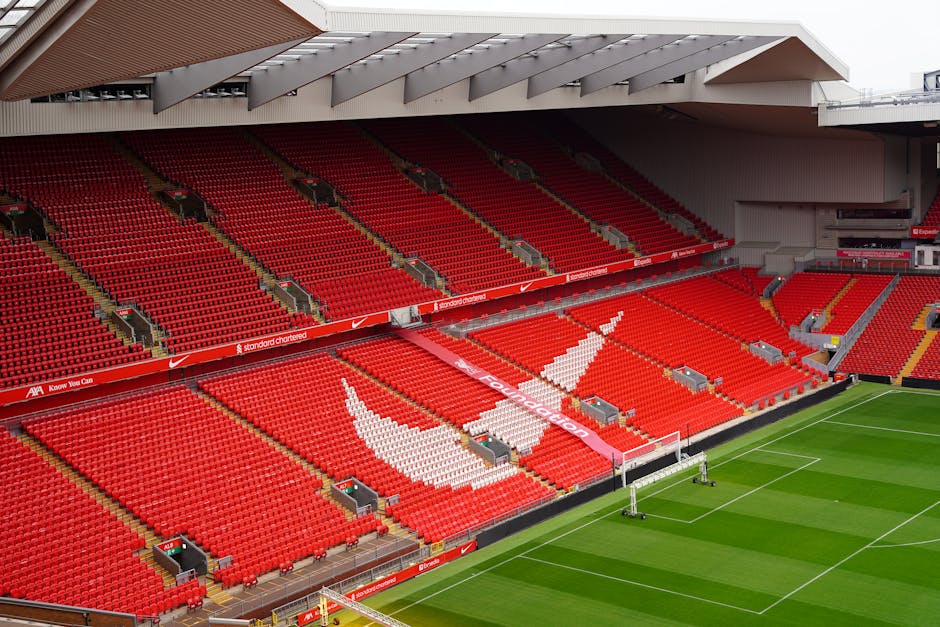
Vicarage Road Stadium Deep Cleaning for Watford Businesses
When a busy venue has seen a full week of footfall, food spills, muddy shoes, bin runs, and the odd sticky patch under a seat, a surface clean just does not cut it. Vicarage Road stadium deep cleaning for Watford businesses is about getting into the places people notice only when they are wrong: under the handrails, along the base of seats, in carpet fibres, around concessions, and in those corners that quietly collect grime over time. If you manage a local company, supply chain, or venue-support team in Watford, this is the kind of work that protects reputation as much as hygiene. And yes, it is a little more involved than "give it a quick once-over".
In this guide, we will break down what stadium deep cleaning actually involves, why it matters to Watford businesses, how the process works, what to avoid, and how to judge whether a provider is genuinely ready for a large, high-traffic site. We will also cover practical checklists, compliance considerations, and a realistic example of how a deep clean can be planned around a fixture or event schedule. Truth be told, that scheduling bit is often where the whole job succeeds or goes sideways.
Why Vicarage Road stadium deep cleaning for Watford businesses Matters
Stadiums are not ordinary commercial spaces. They combine heavy foot traffic, variable weather, food service, toilets, seating areas, changing rooms, corridors, stairways, entrances, and exterior touchpoints. Around Vicarage Road, that mix can create a very specific cleaning challenge: one that is part hospitality, part public safety, part brand protection.
For Watford businesses connected to matchdays, hospitality, facilities management, retail support, or local venue operations, deep cleaning does a few important things at once:
- removes embedded dirt that routine janitorial work misses
- reduces odours from food, moisture, and waste build-up
- helps surfaces last longer by lifting abrasive grit and residue
- supports a more professional visitor experience
- makes it easier to spot wear, damage, or maintenance issues early
Let's face it, people notice cleanliness fast. A polished entrance may buy goodwill, but a stained carpet or a grimy handrail can undo it in seconds. That is especially true in a venue environment where people are already in motion, carrying drinks, talking, and heading for seats. Deep cleaning gives the site a reset. Not a cosmetic tweak. A proper reset.
There is also a commercial angle. If your business provides services around the stadium, or depends on visitors feeling comfortable, the condition of the site shapes perception. In practice, that affects repeat bookings, staff morale, and even how smoothly your front-of-house team can operate on busy days.
For many businesses, a broader commercial cleaning plan sits alongside scheduled deep cleans. That combination tends to work better than treating stadium cleaning as a one-off emergency task.
How Vicarage Road stadium deep cleaning for Watford businesses Works
A stadium deep clean is usually planned in stages. The best teams do not turn up with one machine and a vague promise. They assess the site, map the work, prioritise risk areas, and agree timing around matchdays, events, or restricted access windows. Sounds obvious, but you would be surprised how often that bit gets rushed.
1. Site survey and scope definition
The process normally begins with a walk-through. Cleaners or supervisors inspect the stadium zones, identify high-traffic areas, and note surface types, access limits, electrical safety points, and any delicate fixtures. A sensible survey may also pick up on stains, odours, lint build-up, and areas where moisture is trapped.
At this stage, the scope should be specific. For example: seating blocks, hospitality suites, concourses, toilets, staff rooms, offices, entrance mats, carpets, upholstery, glass, floors, and exterior touch areas. If the scope is fuzzy, the result will be fuzzy too.
2. Risk controls and scheduling
Because stadiums are live environments, the work has to be carefully timed. A late-night or early-morning clean might be the only practical option. Good planning avoids clashes with staff movements, deliveries, or event setup. This is where a provider with clear health and safety procedures becomes more than a nice-to-have.
3. Pre-clean preparation
Before the wet work begins, loose debris is removed, surfaces are cleared where possible, and the team prepares equipment and detergents for each material type. Carpets, hard floors, glass, and upholstery all need different treatment. Using one blanket method across the whole stadium is a shortcut that usually backfires.
4. Targeted deep cleaning
The actual clean may involve hot water extraction for carpets, steam treatment for stubborn soiling, agitation and detail work for edges and corners, machine scrubbing for hard floors, and careful cleaning of fixed seating or upholstered areas. A provider offering steam carpet cleaning can be particularly useful where fibres have trapped dirt, drink spill residue, or ground-in footfall grime.
5. Drying, finishing, and quality checks
Once the heavy cleaning is complete, drying time becomes crucial. In a stadium, standing moisture is not just inconvenient; it can create slip risk and delay reopening. The final phase should include inspection, spot correction, and a clear handover. If the team cannot tell you what was cleaned, with which method, and what remains to be monitored, that is a red flag.
Key Benefits and Practical Advantages
The benefits of proper stadium deep cleaning are easy to list, but the real value is in how those benefits show up day to day.
A better first impression
Fans, visiting staff, contractors, and corporate guests all read cleanliness as competence. A bright, fresh, well-kept venue suggests the rest of the operation is equally under control. That matters for Watford businesses hosting clients or supporting venue operations. Nobody wants to hand over a hospitality pass and then hear, "bit musty in here, isn't it?"
Longer life for carpets and interiors
Embedded grit acts like sandpaper. Over time it wears down fibres, dulls finishes, and makes surfaces look older than they are. Regular deep cleaning reduces that wear. If carpets, mats, chairs, or soft furnishings are part of the stadium environment, services such as commercial carpet cleaning and upholstery cleaning can be practical, not just cosmetic.
Better odour control
Food areas, bins, damp winter footwear, and high occupancy can create lingering smells. Deep cleaning cuts through the build-up at source rather than covering it. That is a real difference. You notice it the second you walk in on a cold morning.
Safer, tidier operations
Cleaning is not only about appearance. It affects slip risk, trip hazards, blocked corners, and contamination around touchpoints. A cleaner environment helps staff work more confidently and makes inspections easier.
Clearer maintenance planning
During deep cleaning, teams often spot damage before it becomes a larger job: stained grout, loose trim, worn carpet edges, tired sealant, damaged seating, or windows that need attention. Pairing stadium work with broader support such as window cleaning or hard floor cleaning can make the whole site feel more complete and less patchy.
Expert summary: Deep cleaning a stadium is not about making everything look "clean enough" for one day. It is about restoring control over a complex environment so the next matchday, event, or business visit starts from a better baseline.
Who This Is For and When It Makes Sense
This kind of cleaning is relevant to more people than you might expect. It is not only for the stadium operator. Watford businesses across hospitality, facilities, cleaning, maintenance, security, and event support can all benefit from understanding when a deep clean is due.
Typical users of the service
- venue managers and facilities teams
- local contractors supporting event operations
- hospitality providers working inside or near the stadium
- commercial landlords and leaseholders
- cleaning firms handling subcontracted venue work
- property teams responsible for shared or public-facing areas
When it makes sense to book
A deep clean is usually sensible after periods of heavy use, before a major event, after building works, after a spill or odour issue, or as part of seasonal maintenance. If the stadium has had recent repairs or refurbishments, an after builders cleaning approach may be needed first, especially where dust has spread into vents, skirting, or seating corners.
Some businesses also schedule deep cleaning after high-turnover periods when staff simply cannot keep up with the volume of grime. That is not a failure. It is just reality. Busy sites get messy fast.
Signs the site is overdue
- visible staining on carpets or fabric seating
- persistent odours near toilets, bins, or food outlets
- dull or sticky hard floors
- dust lines along skirting and edges
- marked glass, ledges, and entrance zones
- complaints from staff or visitors about cleanliness
Step-by-Step Guidance
If you are arranging the work, a structured process makes life much easier. Here is a practical way to handle it without overcomplicating things.
- Identify the exact areas to be cleaned. Do not assume "the stadium" is enough. Break it into concourses, seating, toilets, suites, offices, corridors, stairwells, and external touches.
- List your problem areas. Note stains, odours, bottlenecks, and any delicate surfaces that need extra care.
- Choose a time window. Pick a slot that avoids events, deliveries, and staff peaks. Overnight or early morning often works best.
- Ask how the team will protect surfaces. Good providers separate methods for carpets, hard floors, glass, and upholstery rather than using a one-size-fits-all approach.
- Confirm drying and reopening expectations. This matters a lot for public spaces. If floors remain damp, sections may need to stay closed.
- Check the handover. You should receive a clear summary of what was completed, any issues found, and what needs follow-up.
One small but useful habit: take "before" photos on your phone or site log. Not for drama. Just for clarity. It helps everyone agree what was tackled and what changed. People forget, honestly, especially once the day gets busy.
Expert Tips for Better Results
There are a few things that make a stadium deep clean noticeably better, and they are often the boring things. Which is exactly why they get skipped.
Match the method to the surface
Carpet, vinyl, stone, upholstery, and glass all need different products and dwell times. A strong solution on the wrong material can leave a residue or damage the finish. If you have varied surfaces, choose a provider that can handle commercial cleaning as a coordinated service, not just one isolated task.
Prioritise edges and touchpoints
Most grime gathers where people rarely look: along skirting, under seating rows, around handrails, behind bins, by lift edges, and near vending or concession counters. A quick pass across the centre of the room is not enough. The edges tell the story.
Use the right order
Clean high-level dust first, then vertical surfaces, then floors. If you mop before dusting the ledges, you just move the dirt around and call it a day. Not ideal.
Think about drying from the start
Fans, ventilation, access control, and airflow planning can make a huge difference. In the middle of a damp British evening, drying takes longer than people expect, so plan accordingly.
Build in specialist add-ons where needed
For stubborn stains, odours, or worn soft furnishings, it can help to add targeted services such as stain removal, pet stain odour removal for accidental contamination in mixed-use spaces, or even one off cleaning where the stadium just needs a heavy reset.
Common Mistakes to Avoid
Most poor outcomes come from planning gaps, not lack of effort. A team can work hard and still miss the mark if the job was set up badly.
- Leaving scope vague. "Clean the stadium" is not enough. Be precise.
- Ignoring drying time. Wet carpets in a public area are a safety and operational headache.
- Using the same method everywhere. Different surfaces need different treatment.
- Forgetting hidden build-up. Corners, vents, under seating, and entry mats matter more than people think.
- Booking too close to an event. A rushed clean never looks as good, and sometimes it cannot finish properly.
- Skipping the handover. If no one reviews the work, mistakes can repeat.
There is also a subtle one: underestimating odour. Visual cleanliness and smell do not always match. A place can look tidy and still feel "off". Visitors notice that faster than management teams sometimes do.
Tools, Resources and Recommendations
You do not need a giant shopping list to manage a stadium deep clean, but you do need the right categories of equipment and planning support.
Useful tools and equipment categories
- hot water extraction systems for carpets
- steam or low-moisture equipment for delicate or busy areas
- microfibre cloths and colour-coded cloth systems
- scrubber dryers for hard floors
- detail brushes for edges, rails, and crevices
- air movers or drying fans
- safe, surface-appropriate detergents
Helpful service combinations
For many venues, deep cleaning works best alongside regular upkeep. A schedule that includes regular cleaning keeps the site manageable between bigger resets. If your site includes public waiting areas or common access points, communal area cleaning can support the wider environment too.
If the issue is specific to carpets, consider combining the deep clean with carpet cleaning. If seating or soft fixtures need attention, sofa cleaning and upholstery work may be more relevant than a general surface clean.
What to ask a provider before booking
- Which methods will you use on each surface type?
- How will you control drying times and access?
- Can you handle high-traffic commercial spaces safely?
- What is excluded from the quote?
- How do you handle stain or odour issues that need specialist treatment?
If you are comparing providers, pricing should never be the only lens. Look at preparation, communication, insurance, and how clearly they explain the work. For planning and budgeting, a page like pricing and quotes is often the sensible next stop.
Law, Compliance, Standards, or Best Practice
For stadium environments, compliance is mostly about sensible risk control, worker safety, and avoiding preventable disruption. While the exact requirements vary by site and contract, UK businesses usually need to think about general health and safety duties, safe chemical handling, suitable training, and clear access arrangements.
In practice, that means:
- risk assessing wet floors and temporary closures
- keeping products appropriately labelled and stored
- using equipment that suits the environment
- making sure staff are briefed on restricted zones
- avoiding unsafe working at height or around live services
- documenting issues found during the clean
If a contractor cannot explain how they work safely, that is a problem. A professional team should be comfortable talking through their approach and showing how they reduce risk. Services supported by an insurance and safety framework usually give businesses extra reassurance, especially in venues with public access and valuable fixtures.
Environmental practice matters too. Wastewater management, product selection, and disposal routines should be handled responsibly. If sustainability is important to your organisation, it is fair to ask how the team approaches materials and recycling. That sits neatly alongside a provider's recycling and sustainability approach.
One more point: if your site has policies for contractors, privacy, complaints, or payment handling, it helps to align the cleaning schedule with those internal rules. The paperwork is not glamorous, but it saves headaches later.
Options, Methods, or Comparison Table
Different areas of a stadium often need different cleaning methods. Here is a straightforward comparison to help with planning.
| Method | Best for | Strengths | Watch-outs |
|---|---|---|---|
| Hot water extraction | Carpets and heavily used textile flooring | Good for deep soil removal and embedded debris | Needs enough drying time |
| Steam cleaning | Stubborn grime and hygienic refreshes on compatible surfaces | Helpful for lifting residue and odours | Not suitable for every material |
| Machine scrubbing | Hard floors in concourses and circulation areas | Effective for large open spaces | Surface type and slip control must be considered |
| Detail cleaning | Rails, corners, edges, fixtures, and touchpoints | Targets missed build-up | Time-intensive, but worth it |
| Upholstery treatment | Fixed seating and soft furnishings | Improves appearance and odour control | Needs specialist handling |
If a stadium has many surface types in one area, the best result usually comes from mixing methods rather than relying on one machine for everything. That sounds simple, but it is the difference between a site that looks cleaned and one that genuinely feels refreshed.
Case Study or Real-World Example
Here is a realistic example, based on the sort of planning many Watford businesses deal with.
A hospitality-linked business supporting matchday operations near Vicarage Road notices that the concourse carpets and seating zones are starting to feel tired by mid-season. There is no one dramatic spill. It is more gradual than that: muddy patches after wet weather, a few soft drink stains, and an odour that seems to linger near the high-traffic entrances. Staff have been cleaning regularly, but the build-up is still there.
The team schedules a deep clean for a quiet overnight window. The cleaner surveys the area first, separates carpet work from hard-floor work, and identifies a few spots that need targeted stain treatment. The carpets are extracted, the hard floors are scrubbed, and the upholstery is refreshed in the seating areas. Drying fans are used, and access is controlled until the morning handover.
By the next day, the difference is not flashy. It is calmer than that. The space smells fresher, the floor looks brighter under the lights, and the staff say it feels easier to manage. That may sound small. It is not small when you are opening the doors before a crowd arrives.
What made the job work? Clear scope, realistic timing, and a team that treated the stadium as a live commercial environment rather than a standard office block. That is the key, really.
Practical Checklist
Use this checklist before booking or starting the work.
- Identify all areas needing deep cleaning
- Note any stains, odours, or surface damage
- Choose a window that avoids events and peak staff movement
- Confirm the cleaning methods for each surface
- Ask how drying and reopening will be managed
- Check insurance, safety procedures, and contractor access rules
- Review whether specialist add-ons are needed
- Prepare a handover process after completion
- Document any follow-up repairs or maintenance issues
- Schedule regular cleaning so the site does not slide back too quickly
Quick practical note: if you only do one thing, do the scope properly. That one step saves more time than almost anything else.
Conclusion
Vicarage Road stadium deep cleaning for Watford businesses is really about keeping a complex, public-facing environment safe, presentable, and manageable under pressure. The job is bigger than a standard clean, but that is exactly why it pays off. A good deep clean lifts the look of the space, improves the feel of the site, and gives your team a better baseline to work from before the next rush of visitors, deliveries, or events.
The best results come from careful planning, the right methods for each surface, and a realistic view of drying, access, and safety. Simple, but not easy. And that is okay. If the stadium is busy, it should be treated like a busy site.
If you are weighing up whether now is the right time, the answer is often yes when the site is starting to look tired, smell stale, or lose that crisp first-impression feel. Cleanliness has a way of quietly supporting everything else. You notice it when it is there, and you really notice it when it is not.
Get a free quote today and see how much you can save.
Frequently Asked Questions
What does Vicarage Road stadium deep cleaning for Watford businesses actually include?
It usually includes a detailed clean of high-traffic and problem areas such as carpets, hard floors, upholstery, seating zones, toilets, corridors, entrances, and touchpoints. The exact scope depends on the site and what needs attention most.
How often should a stadium or large venue be deep cleaned?
That depends on footfall, events, weather, and the type of surfaces involved. Some areas may need quarterly attention, while heavily used zones might need more frequent refreshes. If it looks tired or starts to smell off, that is already a sign.
Is deep cleaning different from regular commercial cleaning?
Yes. Regular cleaning maintains the site day to day, while deep cleaning targets embedded dirt, odours, and build-up in harder-to-reach areas. They work best together rather than as substitutes.
Can deep cleaning be done outside normal business hours?
Usually, yes. In fact, that is often the safest and least disruptive option for stadium environments. Overnight or early-morning work is common when access needs to be controlled.
What should Watford businesses look for in a cleaning provider?
Look for clear planning, relevant commercial experience, sensible health and safety controls, insurance, surface-specific methods, and good communication. If the explanation is vague, keep looking.
Will deep cleaning remove old stains from carpets or seating?
It can help a lot, but not every stain comes out fully. Age, fibre type, previous treatment, and how long the stain has been there all matter. Specialist stain treatment often improves the outcome.
How long does a stadium deep clean take?
There is no single answer. Smaller targeted areas may take a few hours, while larger multi-zone cleans can take much longer. Drying time should always be included in the plan.
Do hard floors and carpets need different cleaning methods?
Absolutely. Hard floors may need scrubbing or polishing methods, while carpets often need extraction or steam-based treatment. Using the wrong method can cause damage or leave residue.
Is deep cleaning useful after building or refurbishment work?
Yes, especially if dust, plaster residue, or trade waste has spread into public or staff areas. In those cases, an after-builders clean is often the right starting point before routine maintenance resumes.
Can a deep clean help with odours in a stadium?
Yes. Deep cleaning can remove the source of lingering smells in carpets, upholstery, bins, and high-contact areas. Masking the smell is not enough; the source needs to be dealt with.
What is the best time of year to schedule it?
Many businesses choose quieter periods, off-season windows, or gaps between major events. The best time is usually when the site can be left undisturbed long enough for proper cleaning and drying.
How do I know if the job has been done properly?
You should see clear improvement in appearance, smell, and overall finish. A good handover will also explain what was cleaned, what issues were found, and what may need follow-up later.